Notes on How to Build a Qualified Sales Pipeline in China Using WeChat, E-commerce, and Douyin/Tiktok in 2026
What most Western brands coming to China need to consider to win in Sales

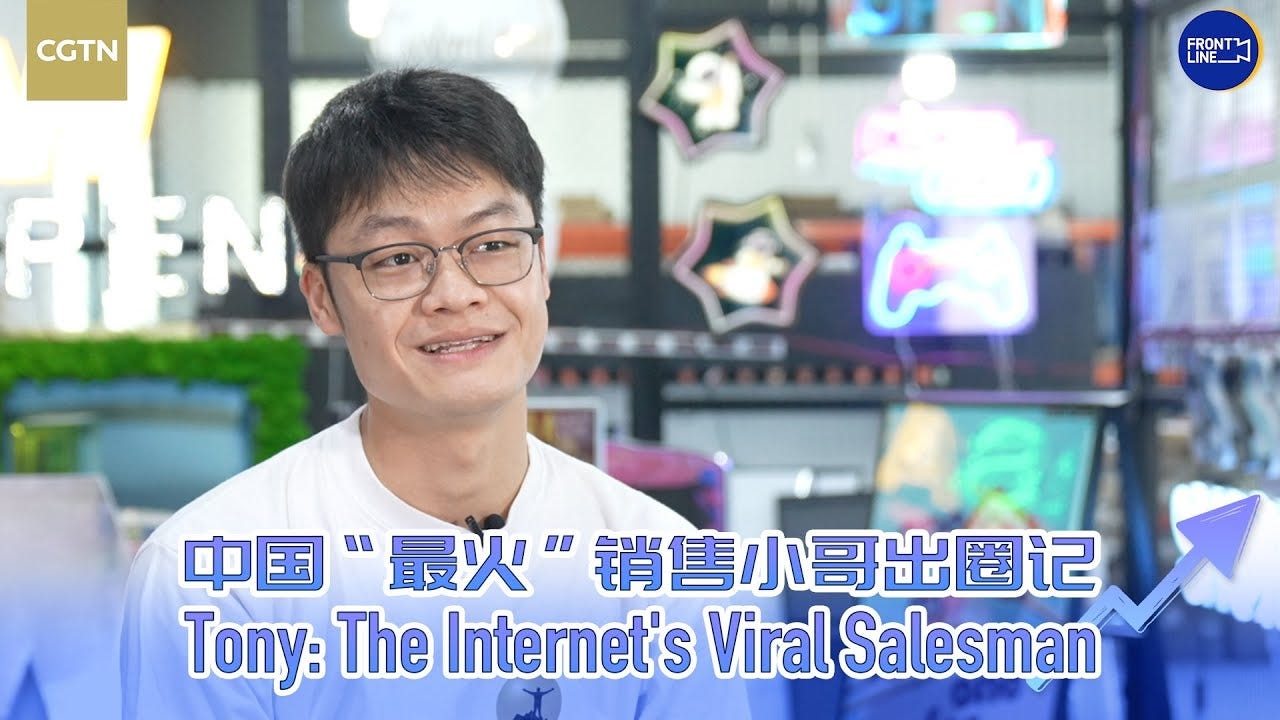
It is quite normal to open your social media app in China and see a factory worker in China dancing right there on the production floor, next to heavy machinery, moving to a catchy track on Douyin. Sales reps are doing the same, turning warehouses into impromptu stages (Tony Zhu at LC signs is peak comedy and fandom). These high-energy videos aren’t gimmicks—they’re smart ways to humanize manufacturing and connect with overseas buyers. Some companies even bring in professional dancers or group livestreamers (tuanbo) for lively sessions that mix factory tours with real entertainment. Regular workers are jumping in too, sharing dance routines that show daily life and boost morale. And then there are the “factory second generation” stars—the bread princess, stovetop princess, napkin factory princess—who are turning traditional industrial businesses into something relatable and shareable.
You see the same spirit in CPG. The old playbook to chase one big viral hit on Douyin is fading. Smart brands are now creating a steady volume of content at a reasonable cost, spotting what actually resonates, and doubling down on those winners. In 2026, the content that really works shows genuine community and human connection.
Here’s the thing: building a qualified sales pipeline in China today isn’t about throwing more ads at the wall. It’s about moving thoughtfully through three stages—raise awareness, nurture the sales process, and convert with velocity—using Douyin for discovery, WeChat for ownership and relationships, and e-commerce platforms to close things smoothly.
Stage 1: Raise Awareness — Make It Visible and Relatable
Douyin and Rednote remains the primary engine for getting noticed in a busy attention economy. The most successful players are moving beyond stiff corporate videos.
In B2B and industrial businesses, the second generation is leading the charge. Factory owners and reps dance in front of equipment and everyday workers share moments that feel real. These “factory second generation” creators—like the bread princess or napkin factory princess—are especially good at making manufacturing feel approachable and memorable (at the same time as capturing hearts). They’re not dumbing things down; they’re building personal connections that help attract both local and overseas interest.
For foreign or European B2B brands, you have a strong card to play with heritage. When you tie your craftsmanship or engineering tradition to Chinese values like wisdom, maturity, and long-term thinking—maybe referencing a classic saying or Confucian idea—it lands with decision-makers. It shows respect and positions your brand as thoughtful rather than just another supplier.
On the CPG side, the approach is practical and sustainable. Instead of hunting for virality, focus on volume at a sensible cost. Test different ideas, see what performs, and build on the winners. The best content right now builds community and connection. Think of tennis influencers teaching practical forehand or backhand tips—they gain loyal followers, and when they casually use a branded racquet or wear a specific kit during the lesson, people head straight to Taobao to search for it. You see the same pattern with the “running dad” sharing training routines, the “lifting guy” with practical setups, or the “cooking and tea-drinking mum” offering everyday recipes and lifestyle moments. These creators feel like friends, and the product moments feel natural or an extension of your “lifestyle”. Douyin and RedNote are both excellent for expanding this kind of community-driven discovery.
In both cases, Douyin sparks the first interest. Use simple, clear calls-to-action—like a QR code or quick prompt—to guide people over to WeChat, where the real pipeline work starts.
Stage 2: Nurture the Sales Process — Give Value That Feels Relevant
Once people show interest, WeChat becomes your home base for building trust and qualifying leads. This is where many pipelines either strengthen or quietly fade.
For B2B, focus on in-depth content that matches real business moments—things like preparing for a factory expansion, choosing suppliers before peak season, or aligning specs in a joint project. When you weave in cultural wisdom or helpful context, the content gets shared internally because it helps people look prepared and thoughtful.
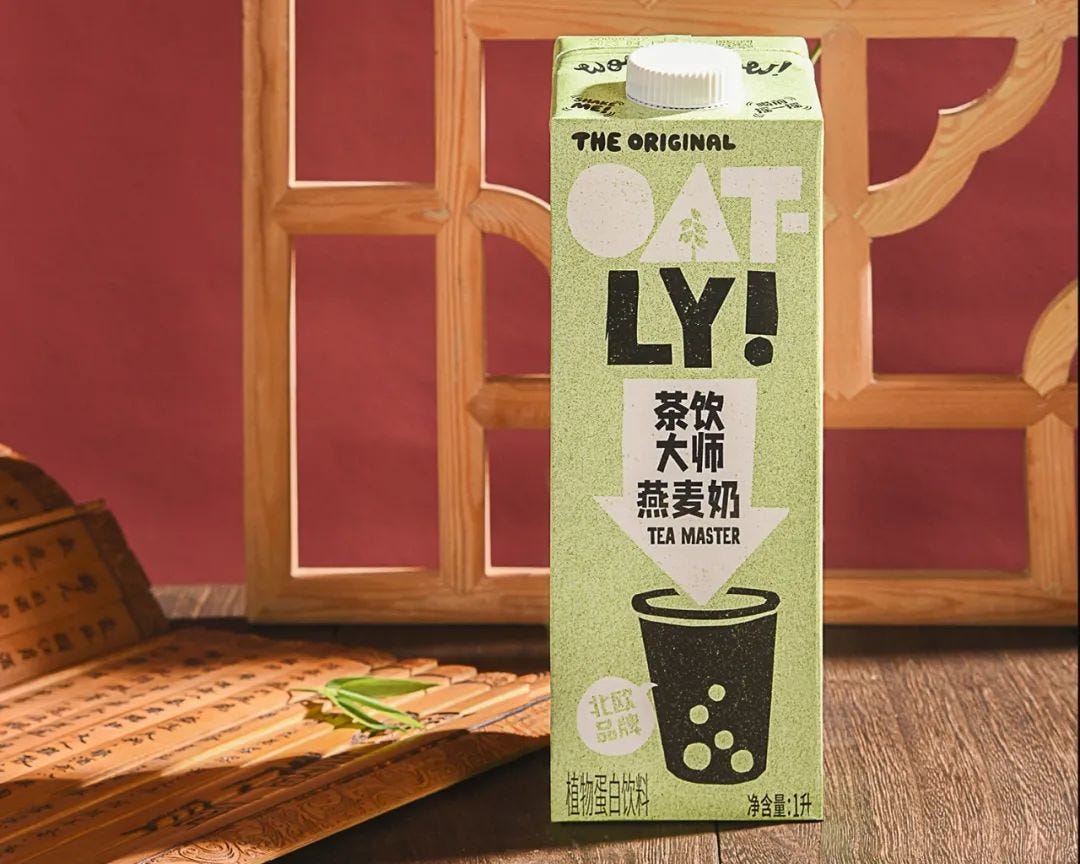
In CPG, nurturing has become more straightforward. If your product still needs a lot of education, social and e-commerce might not be the fastest path yet. Offline often works better in those cases—supermarket sampling (remember how kombucha took off?), industry events for berries or meat, trade fairs, or experiential centers. Oatly did this well by teaming up with baristas and creating places for real learning (and now they have partnered with everyone’s favourite local tea chains!) . Wine brands still rely on tastings and events because you can’t fully replace the sensory experience online.
When the product is ready, direct and compelling offers tend to work best—strong pricing or a clear reason to buy now. Deliver these through WeChat, where you can personalize and follow up quickly. Coupons, promos, and platforms like RedNote help expand reach, but the real magic is keeping the message relevant and easy.
Stage 3: Convert with Velocity — Speed and Live Selling For The Win
This is the stage where interest turns into actual revenue, and speed matters more than ever.
For many CPG categories, live selling on Douyin is the clear leader in 2026. Once your product is market-ready, live sessions let you demonstrate, answer questions in real time, and drive instant purchases through Douyin Shop. It often outperforms even strong Taobao stores when it comes to pure velocity.
In B2B, velocity shows up as responsiveness. Buyers expect to reach someone knowledgeable on WeChat—sometimes late in the evening—to talk specs, request samples, or set up a site visit. Brands that treat WeChat as a real-time relationship tool position themselves to win over their customers. Quick sample shipping with a personal voice message, or fast coordination by creating a WeChat group with multiple department leads with your customer, makes a big difference.
E-commerce platforms tie it all together. Douyin Shop shines for fast CPG products. JD and Tmall flagship stores bring trust for bigger decisions. WeChat Mini Programs give you control and let data flow smoothly back into your nurturing efforts.
Putting It All Together into One Pipeline
The brands that do this well don’t treat the platforms as separate silos. They create natural flows: Douyin sparks interest with human, relatable content and guides people to WeChat. WeChat builds the relationship and qualifies leads. E-commerce handles the close, whether through live selling for speed or responsive WeChat conversations for B2B deals.
Data moves across the system, so what performs on Douyin shapes better WeChat content, and purchase behavior helps refine future offers.
The Mindset That Actually Works
The factory owners dancing on the shop floor, the second-generation creators turning manufacturing into stories, and the community-focused CPG creators aren’t sacrificing professionalism. They’re simply meeting people where they are—on platforms that reward authenticity and connection.
You don’t need to become a dancer or chase every trend. You do need to produce consistently, connect in ways that feel real, and respond with genuine speed when it counts. Whether you’re in B2B emphasizing heritage and responsiveness or in CPG focusing on community content and live selling, the three stages give you a clear path.
Bottom Line: There really is no end to the creativity you can bring to making your product appealing in China. The key is strong localisation — understanding the cultural nuances, the everyday moments that matter to Chinese consumers and decision-makers, and expressing your brand in ways that feel natural and respectful on these platforms. When you use Douyin, WeChat, and e-commerce in the right sequence — discovery, relationship-building, and fast conversion — you will build a funnel that can work efficiently and sustainably.
When it comes to entering or expanding your business into China, the question is how thoughtfully can you use Douyin, WeChat, and e-commerce together to build pipelines that don’t just generate leads, but actually turn them into lasting business.
That’s it for today. I hope this has been useful.
My very first post!